
Rebuilding a Life, One Ride at a Time – Harley West
At The Gralloch, we believe gravel is about more than racing. It is about challenge, connection and the quiet strength built over long miles.
Harley West is a former military serviceman and cyclist whose journey with the bike has gone far beyond competition. In this honest and deeply personal piece, he shares how cycling became part of his recovery from addiction, and how endurance sport helped him rebuild his life.
This is Harley’s story.
For a long time, I believed I was riding towards something.
Adventure. Purpose. Freedom.
The truth? I was riding away.
Away from silence. Away from thoughts that felt too loud. Away from emotions I did not yet know how to sit with.
Before cycling became part of my life in a healthy way, I had already lived several intense chapters. I served in the military. I worked as a deep-sea fisherman. I chased danger, adrenaline and extremes because stillness felt unbearable.
At the time, I did not recognise it as addiction. I just thought I was wired differently. Looking back, I can see I was trying to outrun pain by constantly placing myself in situations that drowned it out.
The starting point
There was no dramatic rock bottom. No single moment where everything fell apart.
Instead, it was quiet.
I found myself caught in a cycle of addiction, depression and PTSD. Signed off work. Living in a homeless hostel. Slowly losing any sense of who I was or where I was heading. I had tried to outrun my feelings with substances, with risk, with movement. Nothing stuck. In fact, it made things worse.
Cycling entered my life during that period, almost by accident. At first it was not some grand recovery plan. It was just something that got me out of my head for a few hours. I could ride, feel exhausted and sleep. That felt like a win.
The shift came when I realised cycling was not just helping me escape. It was helping me stay.
Stay present.
Stay grounded.
Stay connected to my body instead of numbing it.
The journey was not clean or linear. I was riding hard, climbing hills, pushing limits while still battling addiction. But the seed had been planted.
As sobriety began to take hold, my relationship with the bike changed. Cycling stopped being another form of self-destruction and became a form of care.
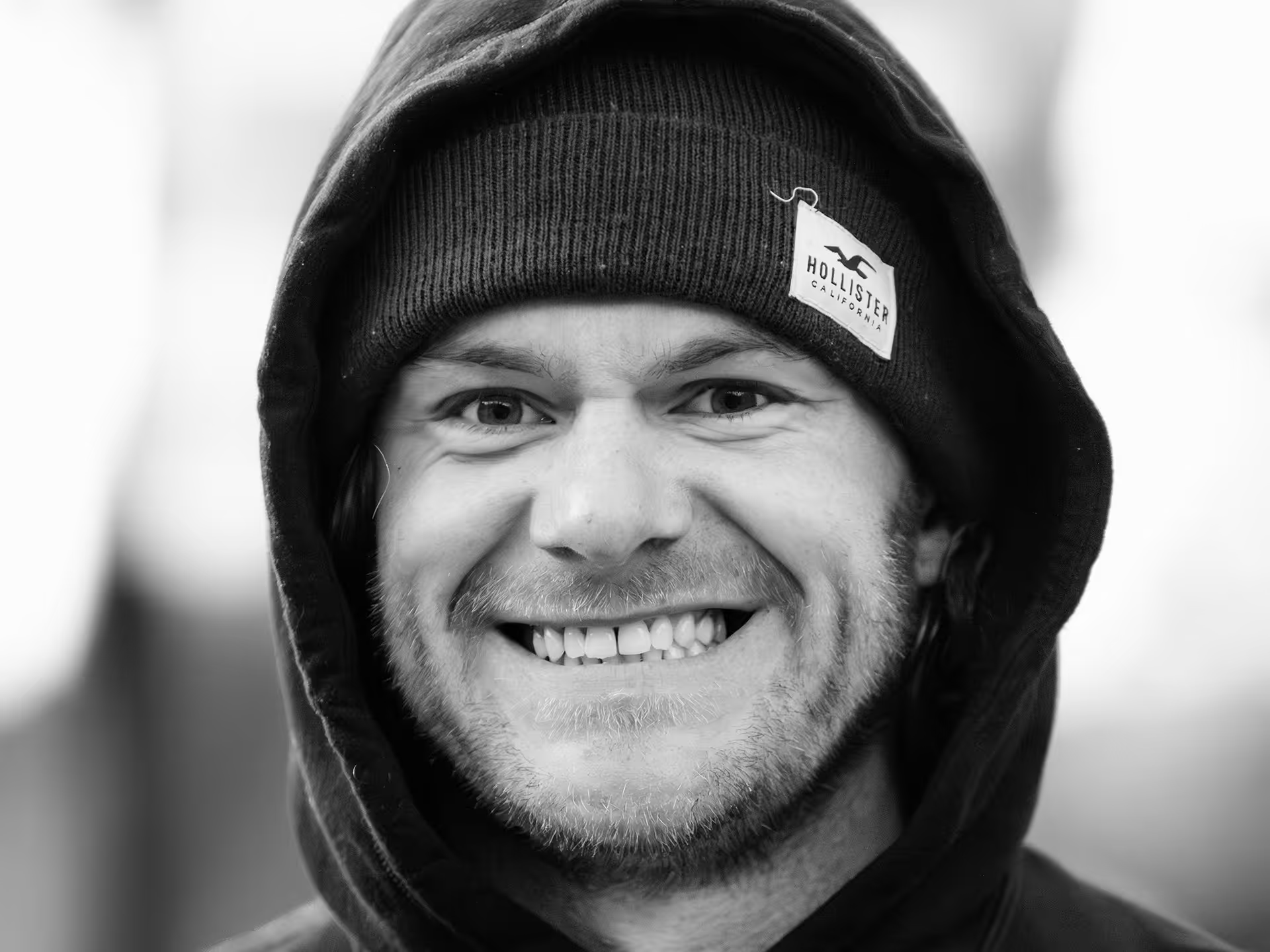
Redirecting the intensity
One of the most important realisations in recovery was accepting that I have an addictive personality.
For years, I saw that as a flaw. Something to hide. Now, I understand it as a trait that needs direction.
I did not remove addiction from my life. I redirected it.
Where alcohol and drugs once consumed my focus, training plans brought structure. Early mornings replaced long nights. Goals replaced chaos. Instead of feeding the part of me that wanted to disappear, I started feeding the part that wanted to grow.
Cycling gave me a new narrative. I was no longer “the broken one”. I was someone showing up. Someone putting in the miles. Someone rebuilding trust in himself, one ride at a time.
That shift mattered more than any finish line.
It also taught me something powerful. Focus can destroy you, but it can also build you. Recovery is not about killing intensity. It is about pointing it somewhere that gives back rather than takes away.
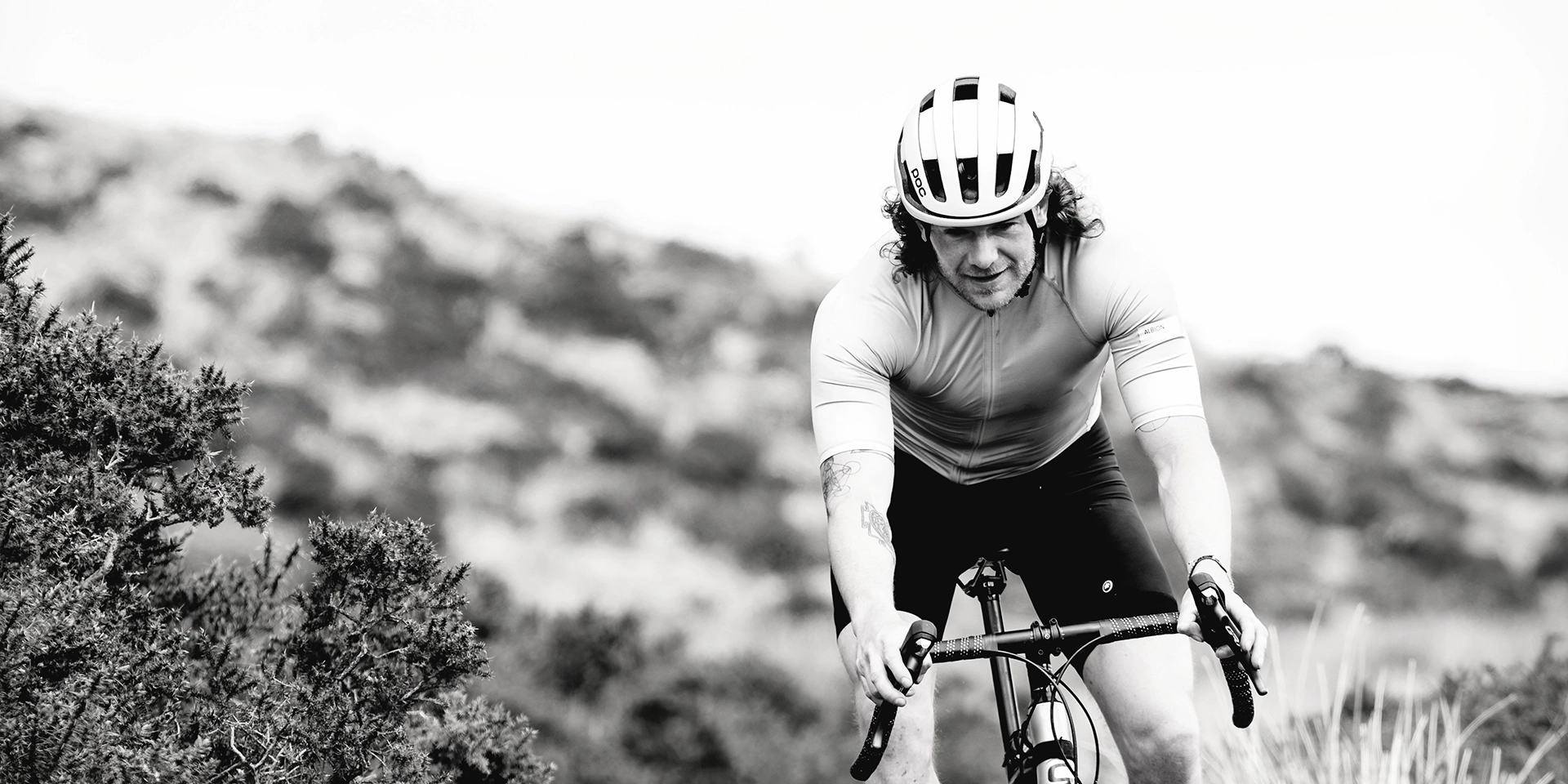
Endurance, redefined
People who live with addiction often carry an extraordinary capacity for endurance. We endure discomfort, chaos, shame and survival daily. The problem is that endurance is spent simply getting through.
Cycling showed me endurance can be transformed.
Long rides. Steep climbs. Cold, wet mornings in the saddle. They taught me how to stay with discomfort instead of escaping it. When everything hurts on a climb, you learn that feelings rise, peak and pass. You do not have to numb them. You just keep turning the pedals.
There are parallels everywhere.
Sobriety is endurance.
Healing is endurance.
Rebuilding a life is endurance.
Today, I am over three years sober. I am studying psychotherapeutic relationships at Warwick University. I am involved in community work and campaigning, and I am planning new cycling challenges for the future.
None of that happened overnight. And none of it happened without the bike.
Cycling did not save me on its own. But it gave me a framework. A way to channel intensity, resilience and endurance into something life-giving.
Gravel, especially, has a way of meeting you where you are. It is honest. It is demanding. It asks questions of you. And in answering them, you often discover something deeper about yourself.
If you are struggling, I do not believe the answer is to become someone else. I believe it is about learning how to use what you already have. Your strength. Your resilience. Your endurance. Aim it in a direction that helps you move forward.
For me, that direction just happened to be on two wheels.
If Harley’s story resonates with you, know that you are not alone. The gravel community is built on shared miles, shared challenges and shared support. Whether you are lining up in the UCI Gravel World Series race, taking on the Ultra, or riding the Sportive for your own reasons, every turn of the pedals counts.
If You’re Struggling
If Harley’s story resonates with you and you’re currently struggling with your mental health, PTSD, depression or addiction, please know that support is available.
You do not have to face it alone.
If you are in the UK, you can contact:
- Samaritans – Call 116 123 (24/7 free helpline) or visit www.samaritans.org
- NHS Mental Health Services – Speak to your GP or visit www.nhs.uk/mental-health
- Combat Stress (for veterans) – 0800 138 1619 or www.combatstress.org.uk
- Mind – www.mind.org.uk
- Response - https://www.response.org.uk/
If you are outside the UK, please seek out trusted local mental health or crisis support services in your area.
Reaching out is not weakness. It is strength.