Beyond the Gravel Tracks: The Reality of Managing Scotland’s Working Forests
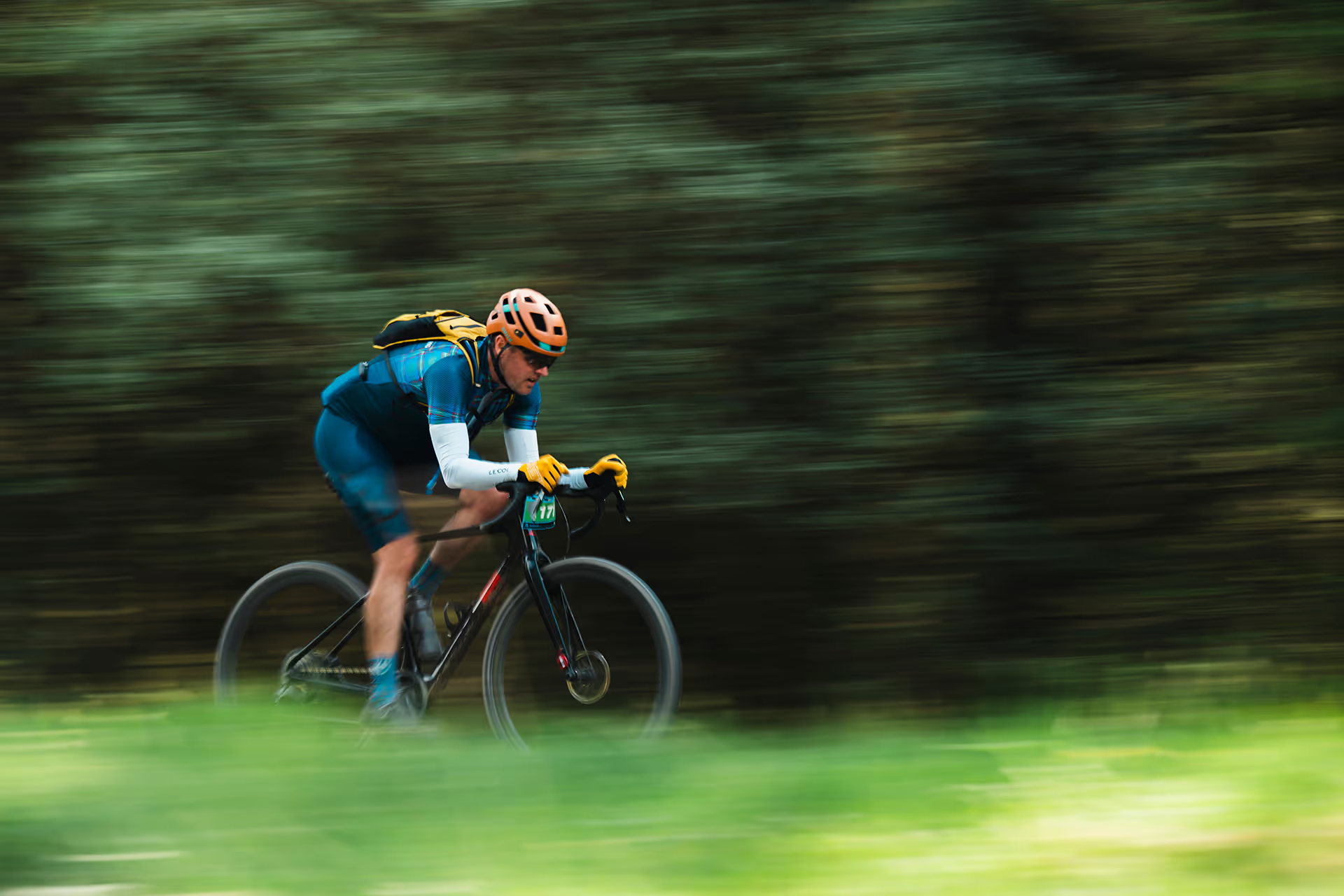
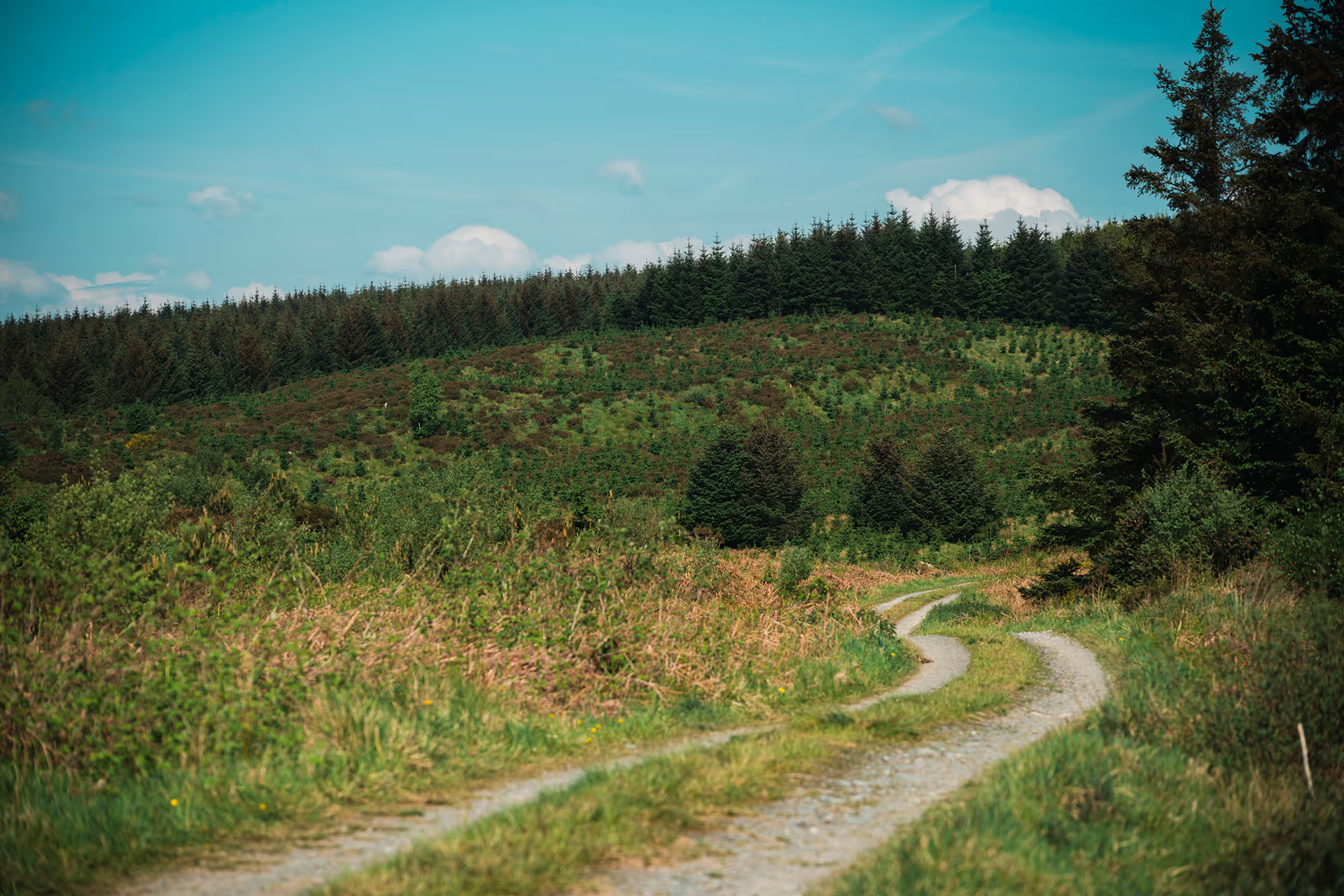
When you ride through the forests of Galloway during The Gralloch, it’s easy to see them as wild, timeless landscapes. Vast gravel roads, dense woodland, open hills and lochs rolling out in every direction. But these forests are not untouched wilderness. They are working landscapes, carefully planned, actively managed, and shaped over decades.
In this first blog, we take a closer look at what forest management actually involves: why trees are felled, how timber is used, and how these landscapes are cared for in ways that often go unnoticed by the people who ride, walk and explore them.
To help tell that story, we’re joined by John Dougan, Forestry and Land Scotland’s South Region Manager, who looks after the Galloway Forest Park and the forests The Gralloch passes through.
Looking After Galloway Forest Park
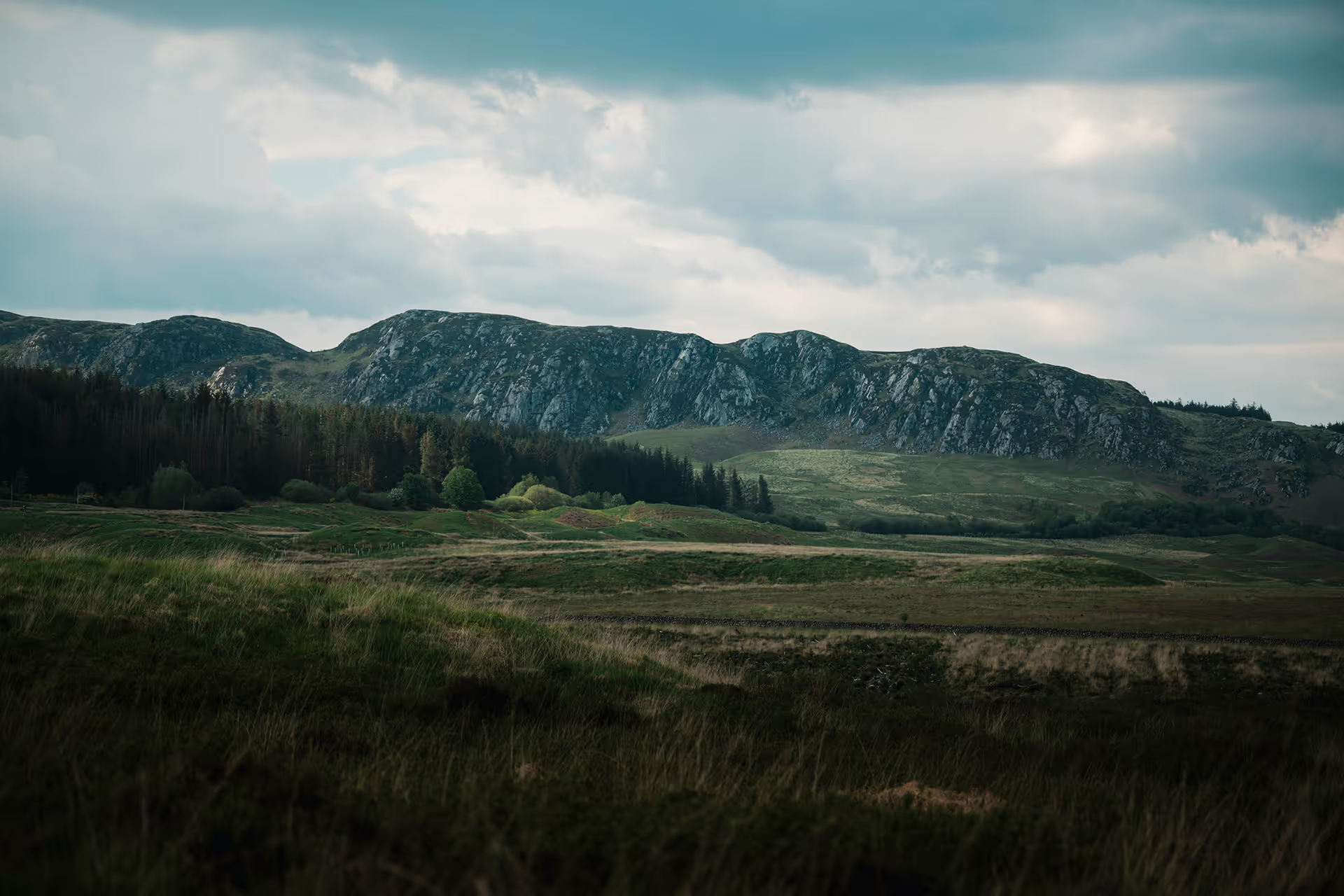
“I’m very fortunate to have the privilege of being responsible for looking after Galloway Forest Park. It’s a diverse and unique place, from high open hills, upland moorlands, peatlands and river valleys, to remote and beautiful landscapes.”
Woven throughout the park, and making up around half of its total area, are the forests that give the Galloway Forest Park its name. These forests deliver for the public in many different ways, from recreation and access to jobs, wildlife habitat and climate benefits. Over this series, we’ll explore those wider roles.
But to start, John wanted to talk about something that often attracts the most attention, and sometimes misunderstanding: timber.
Why Timber Matters
We all use timber and timber products every day, often without thinking about where they come from. The reality is that the UK is a major importer of timber, with around 80% of the timber we use coming from overseas.
While timber itself has strong environmental credentials, transporting it long distances adds to its carbon footprint. Growing timber closer to home, and doing so sustainably, reduces those impacts and strengthens rural economies.
The UK is well suited to growing timber competitively, and the Galloway Forest Park is one of the country’s most important timber-producing areas.
What Happens to the Trees?
Trees grown in Galloway are used in a wide range of everyday products, many of which you may already have in your home.
- Large-dimension logs are typically sent to sawmills in Ayrshire, where they are used to produce timber-frame housing kits. Timber framing is the main construction method for new homes in Scotland, so if you live in a modern Scottish house, there’s a good chance some of the timber holding it together came from Galloway.
- Smaller logs are used to make fencing, garden sheds, pallets for transporting goods, and building products such as roofing battens.
- The smallest parts of the tree are processed into products like laminate flooring and kitchen units.
All of the timber produced in Galloway is processed locally, in Scotland and the north of England, supporting regional supply chains and skilled jobs.
Sustainable Forests, Long-Term Thinking
Harvesting trees is only one part of forest management. Every tree that is felled is replaced, either through replanting or natural regeneration, ensuring future generations can benefit from the same resource.
Managing forests this way supports:
- Long-term, sustainable timber production
- Stable, high-quality rural employment
- Investment back into the land, habitats and public access
The income generated from timber helps Forestry and Land Scotland care for the wider landscape, enhance biodiversity, maintain trails and infrastructure, and create safe, welcoming places for people to visit.
Riding Through a Working Landscape
As you ride through the Galloway Forest Park during The Gralloch, you’re travelling through a place that is constantly evolving. What you see today is the result of decisions made years, even decades ago, balancing climate, ecology, industry and public access.
So next time you’re rolling along those gravel tracks, take a moment to think about how timber supports your everyday life and how likely it is that some of it came from bonnie Galloway.
In the next instalment, John will explore the wider work that goes into protecting and enhancing the environment across the park, from wildlife and habitats to access and safety, and why forest management is always about balance.